
23 Sep Whale Watching Mooloolaba: When to Go and What to Expect
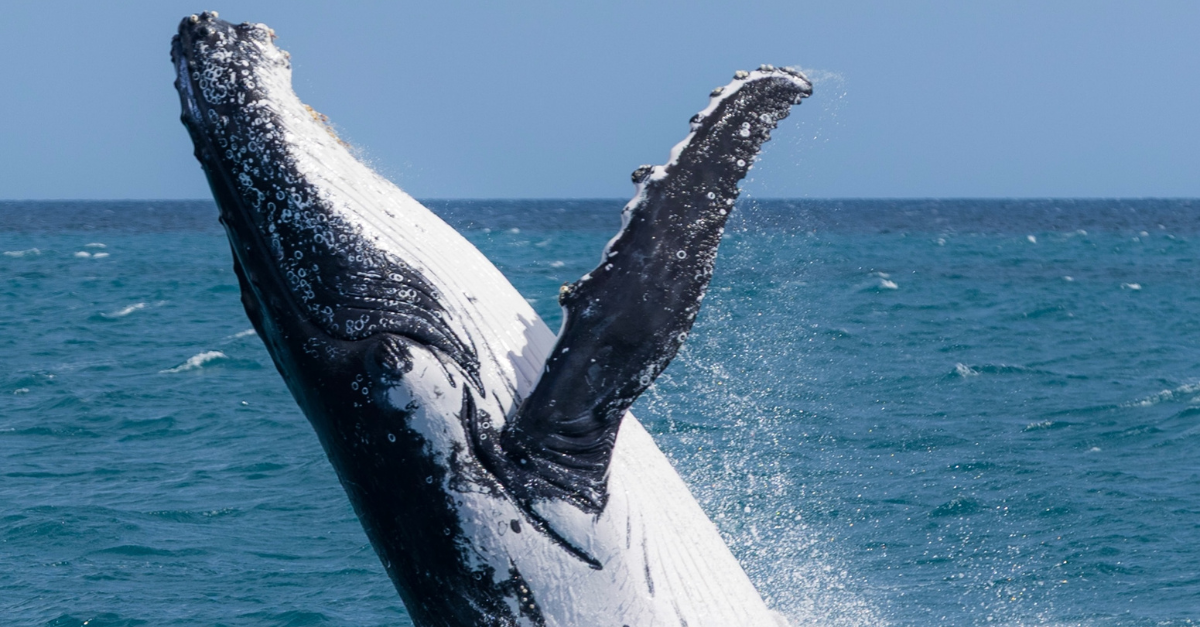
Each winter, thousands of humpback whales travel past the Sunshine Coast on one of the longest migrations of any mammal on earth. Mooloolaba puts you closer to the action than almost anywhere else on the coast, which is why whale watching in Mooloolaba has become one of the region’s most popular seasonal experiences. If you’re planning a trip and hoping to see these gentle giants breach and roll just offshore, the right timing and local knowledge go a long way. Here’s what you need to know about when the whales arrive, how to see them, and how to make the most of your visit to this stretch of the coast.
Whale Season on the Sunshine Coast
Whale season on the Sunshine Coast follows the annual humpback migration up and down Australia’s east coast, which typically runs between June and November. From June, the whales begin heading north toward the warmer breeding waters near the Great Barrier Reef. From roughly September onward, they make the return trip south to Antarctica, often with new calves in tow. That gives you a long window, but the middle months tend to deliver the most consistent sightings. If you’re building a trip around it, July to October is the sweet spot for whale watching on the Sunshine Coast, with plenty of activity close to shore.
Mooloolaba Sits Right on the Humpback Highway
Part of what makes Mooloolaba whale watching so good is simple geography.The waters off Mooloolaba are part of the Humpback Highway, where migrating whales make their annual journey along the Queensland coast. Since there is deep water sitting closer to the coastline here, whales pass within a closer distance rather than further out at sea. That means that the boat trip out to see them is shorter, so you get more time with the whales and a real chance of seeing them breaching or making the occasional curious approach. It’s one of the many reasons the town is such a popular base during whale season.
Whale Watching Tours
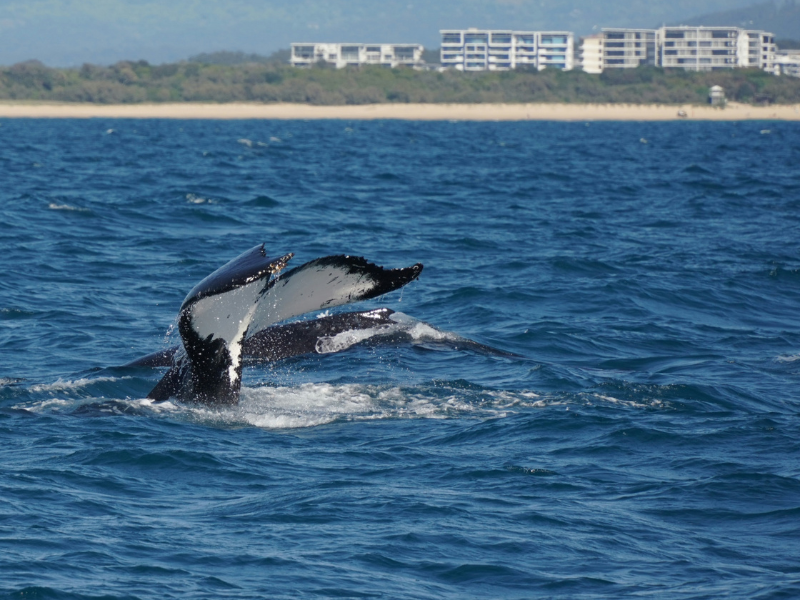
The easiest way to get out amongst these friendly giants is to join one of the whale watching tours departing from Mooloolaba Marina, by operators such as Whale One. Most trips run for a few hours, with experienced crews who know the coastline well and can read the whales’ movements to give you the best chance of a sighting.
There’s a range of tours to choose from, from larger, more stable vessels suited to families to smaller boats offering a more intimate experience on the water. Some operators such as Sunreef also offer swim-with-whales experiences for those wanting to take things a step further.
If you’re visiting during the busiest weeks of whale season, booking your tour ahead of time is recommended. Staying close to the water also makes those early morning departures that much easier, which is where Accommodation in Mooloolaba comes in.
Spotting Whales From the Shore
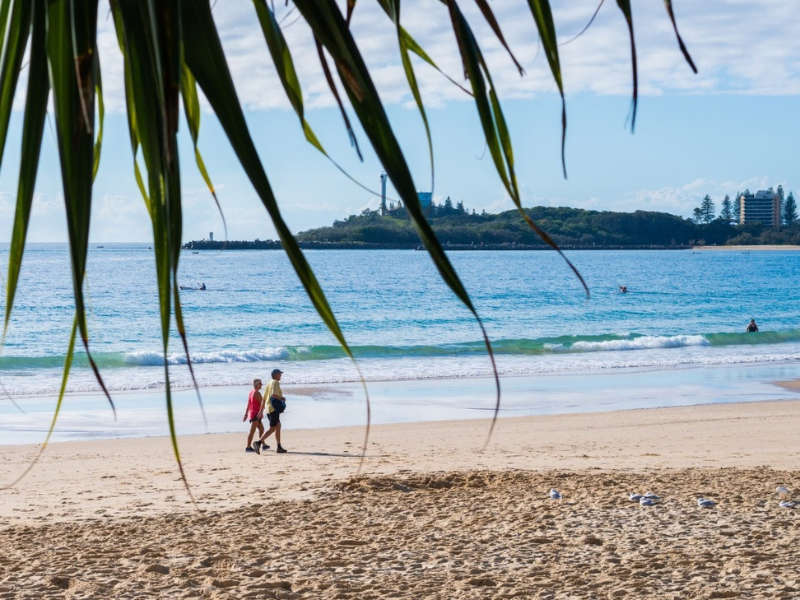
The best part is that you don’t always need to board a boat to see the whales. During migration season, humpbacks can pass close enough to the coastline to be spotted from land, and Mooloolaba has several excellent vantage points.
Point Cartwright is one of the best-known spots, with its elevated headland and uninterrupted views across the ocean. Bring a pair of binoculars, find a clear morning and scan the horizon for the tell-tale spout of a whale, a tail breaking the surface or a dark shape rolling through the water.
This is a much simpler and lowkey way to experience whale season, particularly if you’re travelling with young children or looking for a slower pace between other activities.
Our Tips for Whale Watching
If you do choose to head out on a boat tour, a little preparation can make your time on the water much more comfortable. Mornings are often calmer, so picking an earlier tour can mean smoother conditions and a more enjoyable experience.
It’s also worth dressing in layers, as the ocean can feel noticeably cooler than the beach. Bring a light waterproof jacket, hat and sunscreen, and if you’re prone to seasickness, consider taking medication before you board rather than waiting until you’re out on the water.
Most importantly, keep your camera ready but your eyes up. A whale can surface just seconds after you’ve looked away, and some of the best moments are the ones you don’t quite manage to capture. Often your operator will be capturing some of the best moments, so we just recommend living in the moment!
Plan Your Whale Season Escape to Mooloolaba
Whale season is a special time to visit Mooloolaba, with migrating humpbacks travelling along the coast from June to November. Whether you join a tour from the marina or settle in at a coastal lookout, there are plenty of ways to experience the migration without having to venture far.
For the best chance of seeing whales, plan your visit around the middle of the migration season and book your preferred tour in advance. Staying close to the water also makes early starts and spontaneous sightings easy, giving you more time to enjoy everything else the Sunshine Coast has to offer.
With a comfortable base with Accommodation in Mooloolaba and the Humpback Highway right on your doorstep, whale season is an especially memorable time to experience the coast.
Frequently Asked Questions
Whale watching season in Mooloolaba runs from around June to November, following the annual humpback migration along the east coast. The whales head north in the early months and return south from September, often with calves. July to October is usually the most reliable window for close, consistent sightings on the Sunshine Coast.
Yes. On clear days during whale season, humpbacks often pass close enough to be seen from land. Point Cartwright, with its elevated headland and lighthouse, is one of the best free vantage points in Mooloolaba. Bring binoculars, pick a calm morning, and watch for spouts of water or dark shapes rolling at the surface.
Dress in layers, because it’s cooler out on the water than on the beach. A light waterproof jacket is handy in case of spray, along with a hat, sunglasses and sunscreen. Wear flat, non-slip shoes for moving around the boat, and bring something warm even on sunny days, as the wind picks up offshore.
Mornings are often the best time for whale watching, as the water tends to be calmer and the light is good for spotting and photography. Calmer conditions also make for a smoother, more comfortable trip. That said, whales are active throughout the day, so afternoon tours can be just as rewarding when conditions are right.
Sightings are very likely in peak season, though nature never comes with absolute guarantees. Because the whales pass so close to Mooloolaba, success rates are high from July to October. Many operators back this with a sighting guarantee, offering a free repeat trip if no whales are spotted.